HyperAccel Tech Blog
Welcome to HyperAccel Tech Blog

The era of using AI to build chips that run AI has arrived. Drawing on publicly released information about Jalapeño, OpenAI’s custom chip, this article explores what that means.
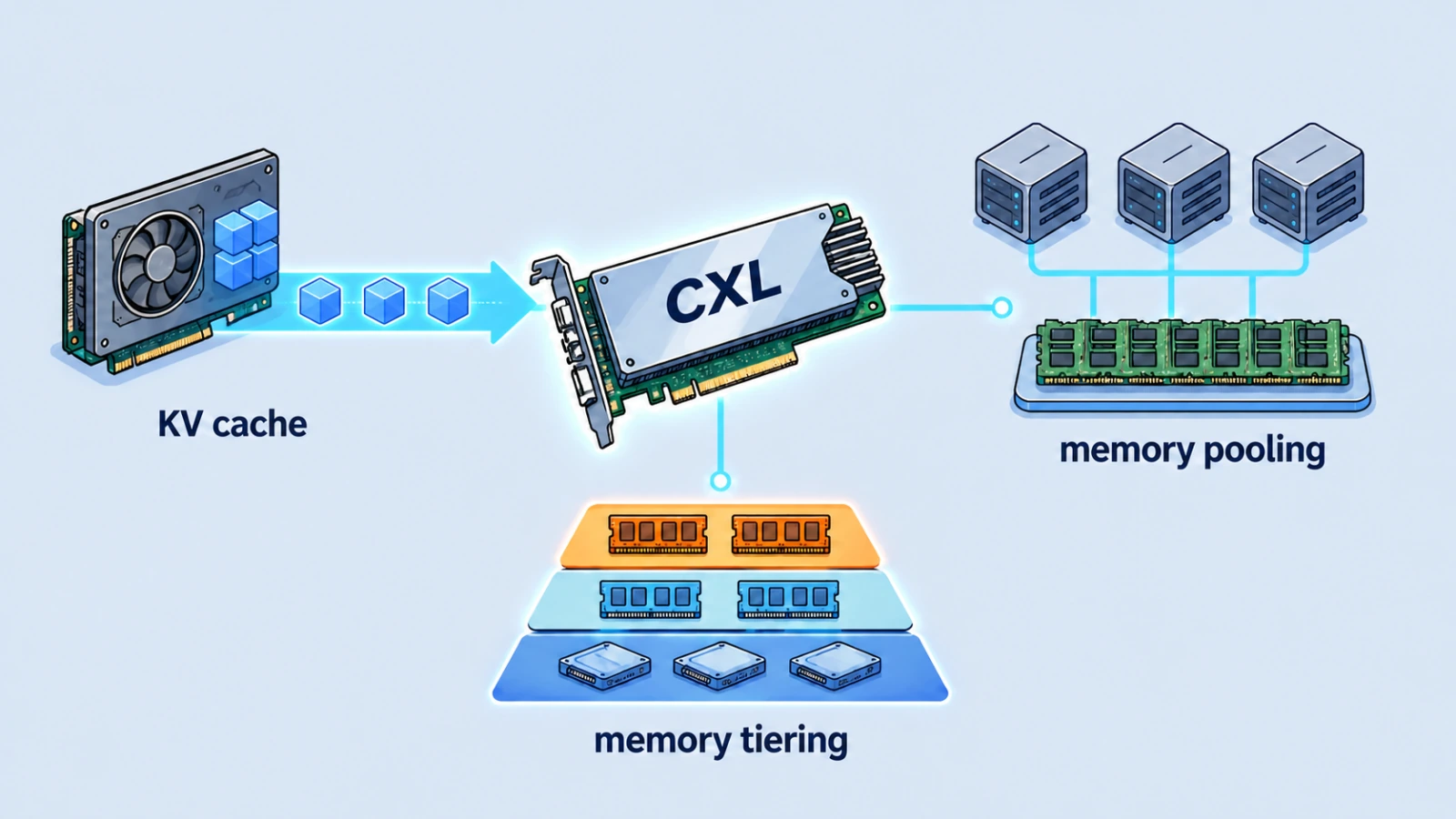
We examine how CXL is used in real workloads through KV cache offload, memory pooling, and memory tiering.

We take torch.compile apart into its three components — TorchDynamo, AOTAutograd, and TorchInductor — and walk through what each one takes in, what it hands back, and how it actually works.

We analyze why the CPU became the bottleneck of inference infrastructure in Agentic AI workloads, walk through the latest datacenter CPU lineups from the three CPU vendors, and explore why the CPU has risen to prominence again in the Agentic AI era.
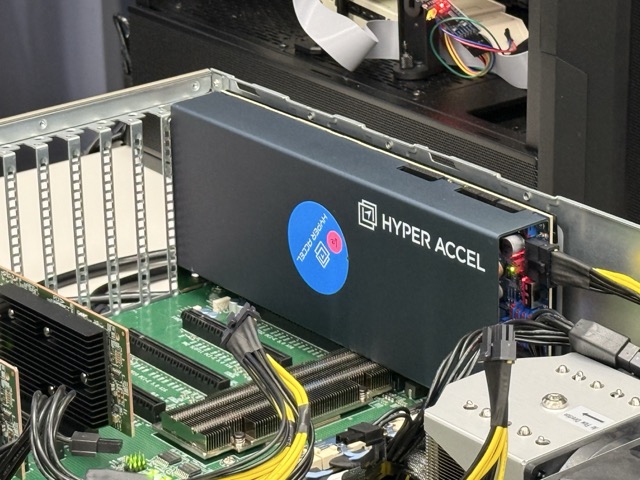
An introduction to Legato — HyperAccel’s programming model and compiler stack for the LPU — covering what it is, why it exists, and how it is designed.
AI coding agents did not just change how we write code. They changed where work can happen: over SSH, inside Termux, in Kubernetes pods, and from remote machines that no longer need a full local editor setup.
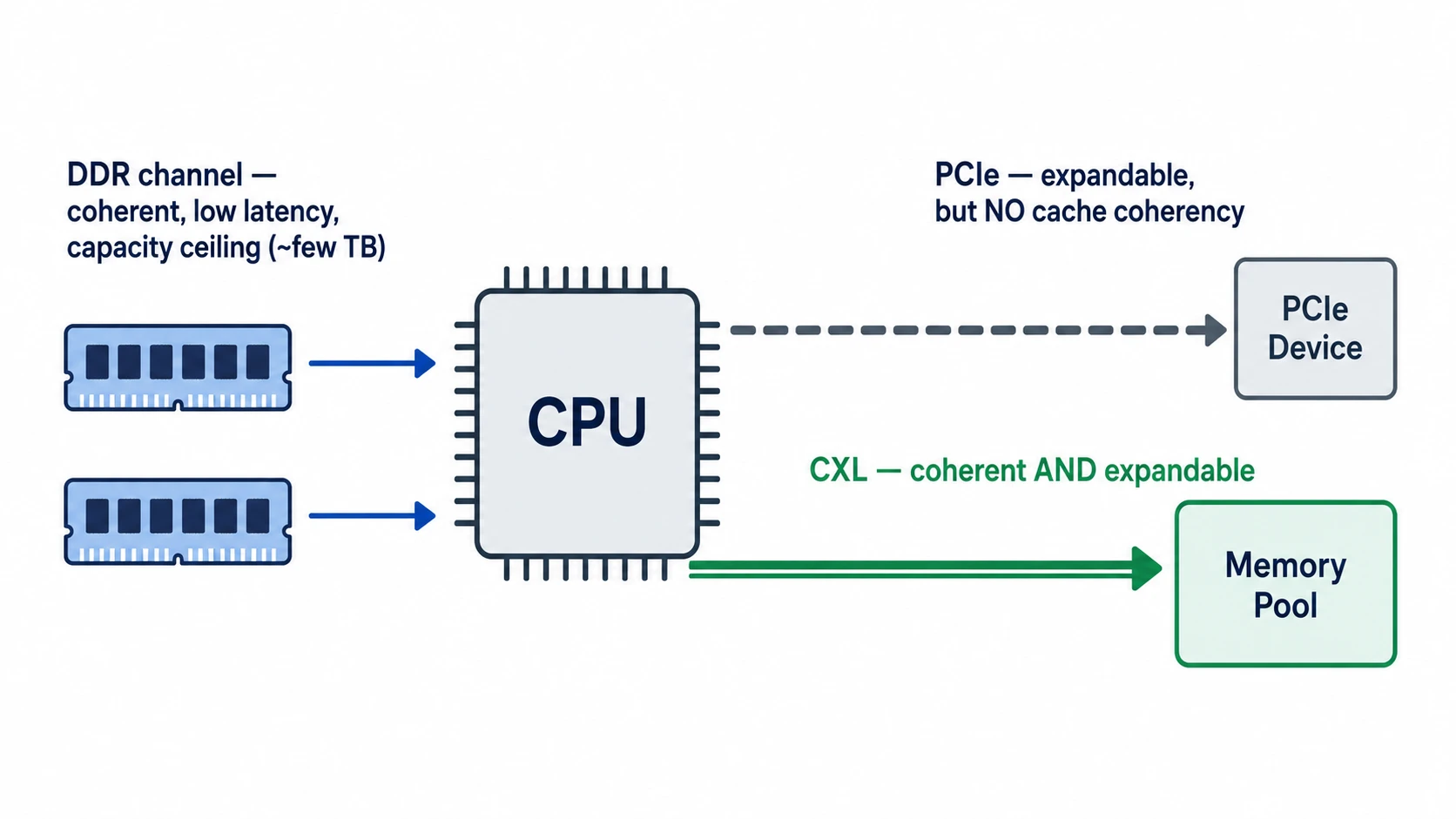
Next to the GPU, HBM and HBF fill the gap — but there’s another empty seat next to the CPU. We look at CXL, the new interface that fills the awkward gap between PCIe and DDR: its basic structure, device types, and the CXL product blueprints the big three memory vendors are drawing.
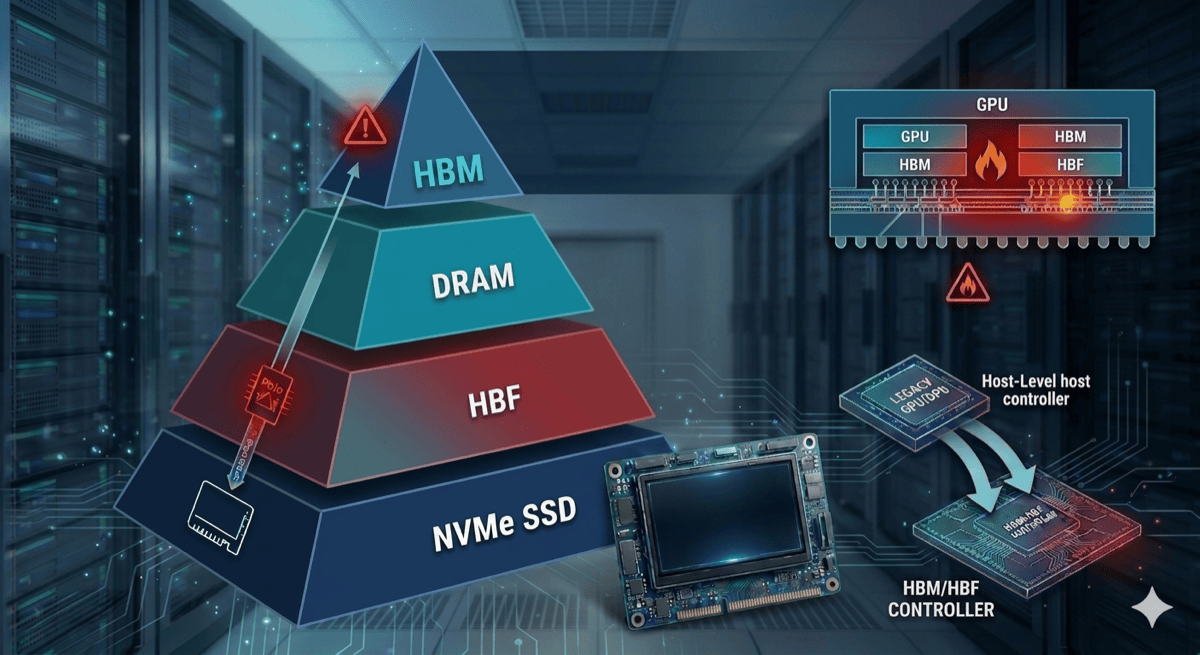
HBF clearly has its place, but it still has gaps to fill before it can claim a spot in the memory hierarchy pyramid. We walk through the latest LLM model and inference workload trends, how Flash memory is actually used in LLM serving today, and the remaining challenges HBF has to solve.
Centered on SK hynix’s H³ architecture, we explore workloads that can overcome HBF’s weaknesses.
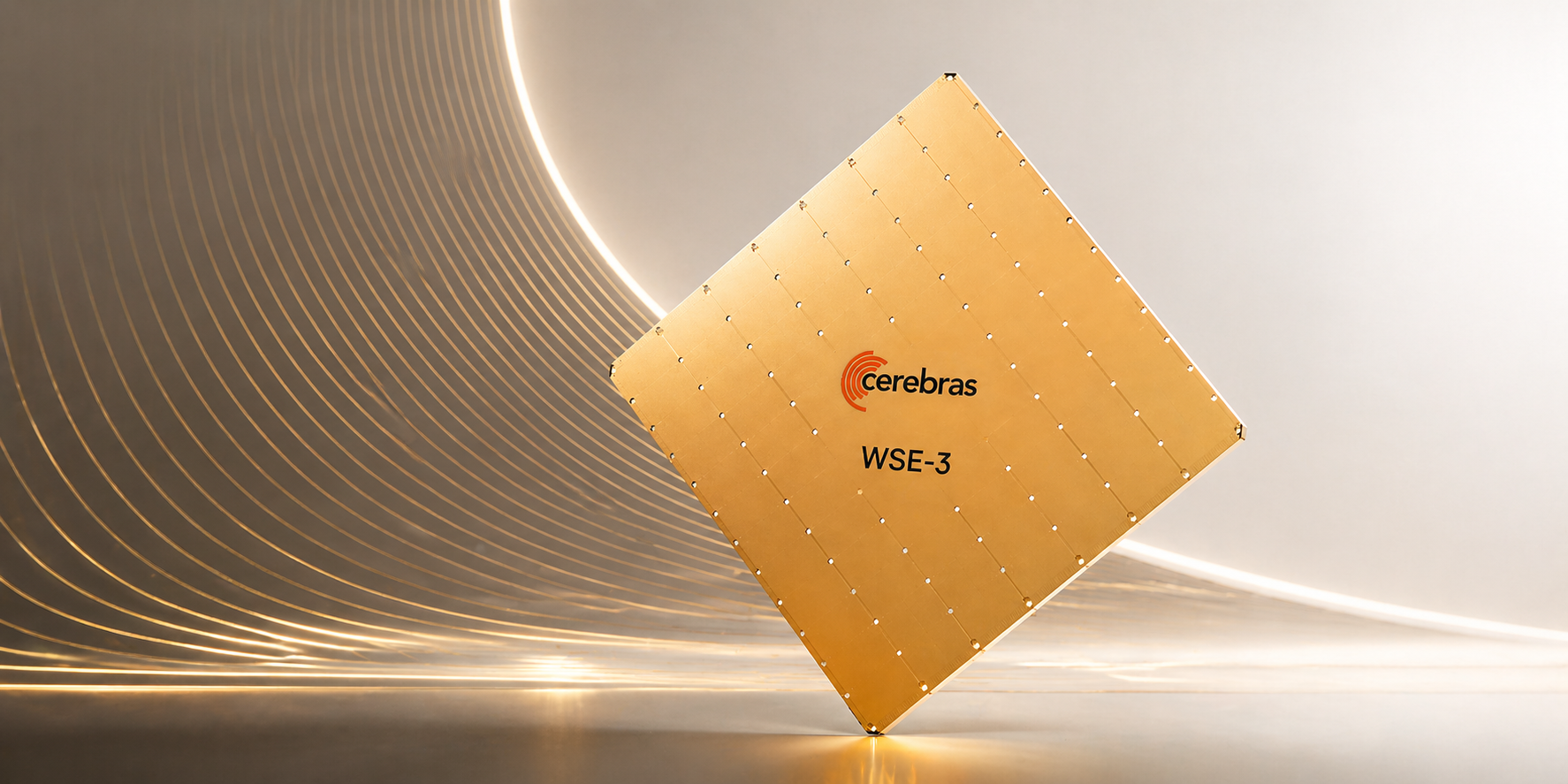
This post explains Cerebras’s recent momentum, WSE-3 architecture, and the trade-offs of wafer-scale chips in a beginner-friendly way, following reports of a large OpenAI deal.